Mixed-year classes
In France, approximately 60% of preschool pupils attend mixed-year classes, and increasing numbers of schools choose this approach to encourage teaching innovation. Whether in mixed-year classes or more traditional classes, teachers must always adapt to different levels because pupils have varied abilities and needs.
The questions commonly raised about mixed-year classes have led to numerous studies assessing their effects on pupils.
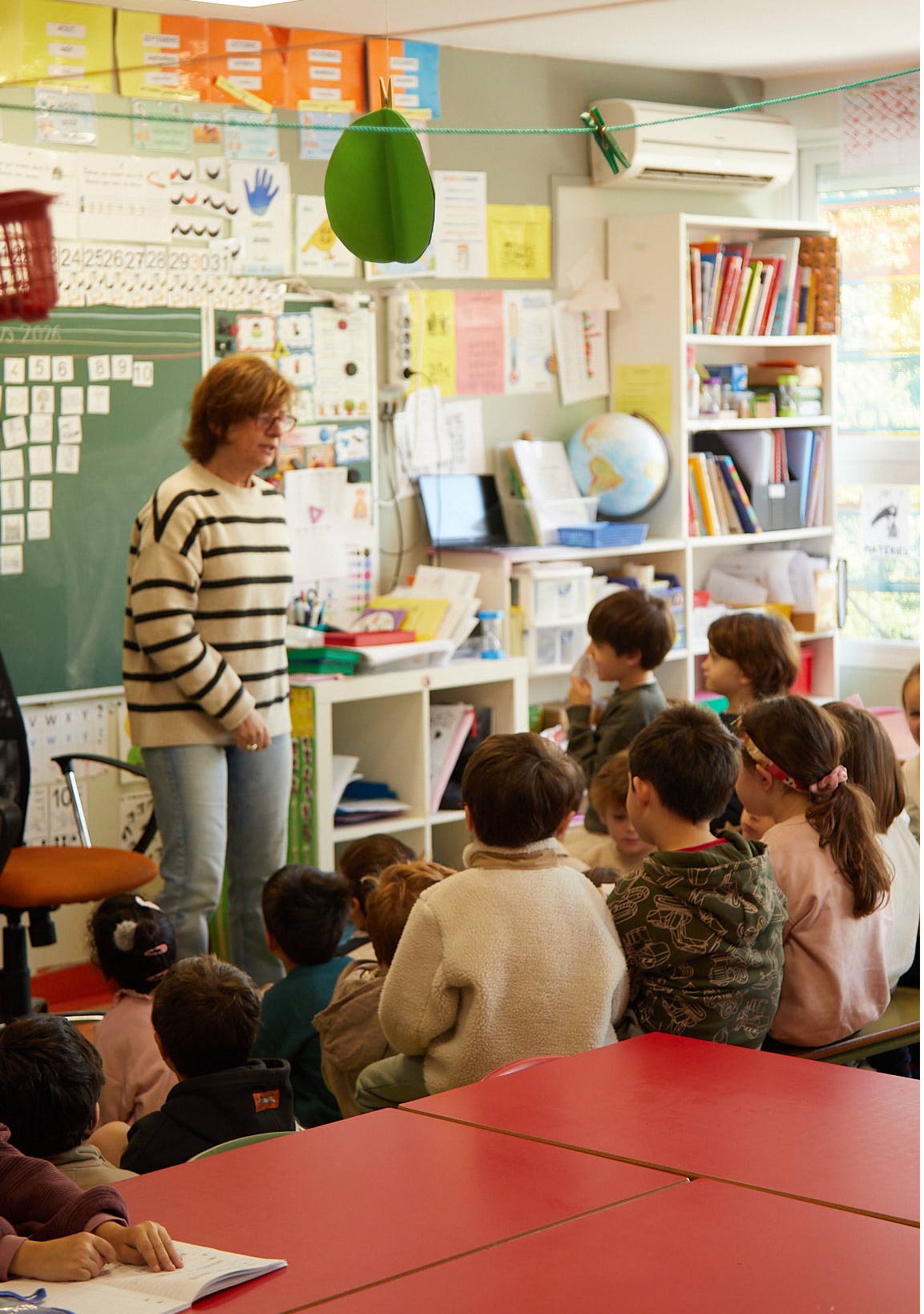
More sociable and cooperative pupils:
Mixing levels and ages helps children develop their behaviour, particularly cooperation. Being alongside children of different ages also encourages greater mutual respect, attentiveness and sociability.
Greater independence:
En una clase de doble nivel los niños trabajan de una manera más independiente. Cuando el profesor se ocupa de un grupo, los otros alumnos deben avanzar autónomamente. Esto lleva a los alumnos a autocorregirse y a aprender de forma más autodidacta.
Developing psychosocial skills: peer tutoring
In mixed-year classes, teachers often establish peer tutoring: pupils who have mastered a skill teach those who have yet to master it. This gives them a valued role and encourages them to think through actions they previously performed only partly or intuitively.
Older pupils become peer tutors: they rephrase, explain and help younger children while strengthening their own learning. This responsibility makes them role models for their classmates and helps them mature. They also acquire important psychosocial skills for their schooling: listening, rephrasing and patience.
Younger pupils are naturally motivated and interested in what their older classmates do. The teacher is therefore no longer their only learning resource: their classmates also help them learn.